


WHAT ARE SACRIFICIAL ANODES?
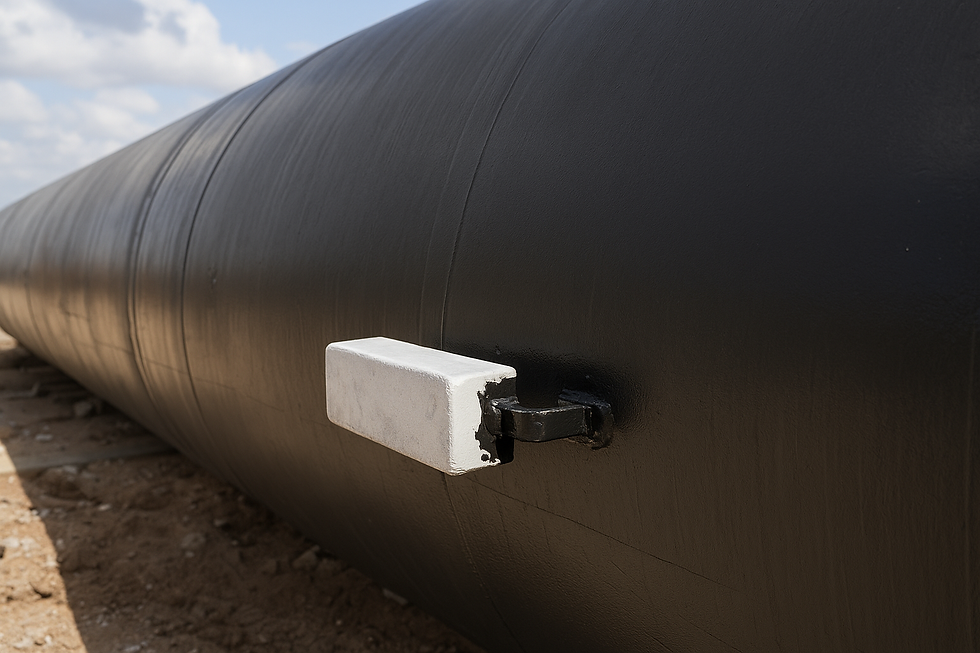
Sacrificial anodes are specialized metal alloys used to prevent corrosion in marine structures, ships, pipelines, and other submerged or buried metal surfaces. Made from materials like aluminum, zinc, or magnesium, these anodes work through a process called cathodic protection. These anodes sacrifice themselves, corroding in place of the main structure, ensuring its longevity and structural integrity even in harsh environments.
As the anode gradually dissolves, it continuously supplies electrons to the protected metal, preventing oxidation and rust formation. This simple yet highly effective method is widely used in marine, offshore, and industrial applications to reduce maintenance costs and enhance durability.
BENEFITS OF SACRIFICIAL ANODES
01
Effective Corrosion ProtectioN
Sacrificial anodes as used in a marine application is a highly reactive metal block (usually either zinc, aluminium, or magnesium) attached to the hull, rudder, or propeller. Since it is designed to be more reactive that the structure it is meant to protect, it corrodes through galvanic action, "sacrificing" itself to prevent the expensive steel hull and vital underwater metal parts from rusting or corroding in seawater
02
Low Maintenance
Unlike other corrosion protection methods, sacrificial anodes require little to no maintenance. Once installed, they work continuously without the need for external power or frequent inspections, reducing long-term operational costs.

03
Easy Installation
These anodes are simple to install on a variety of structures, including ships, offshore platforms, and underground pipelines. Their straightforward application makes them a practical and efficient choice for corrosion prevention.

PRODUCT OVERVIEW
01
Weld-on Anodes
Directly welded to ship hulls for corrosion protection in submerged areas.

02
Bolt-on Anodes
Bolted to vessel hulls, offering flexible installation and replacement options.

03
Bolt-on disk Anodes
Circular anodes bolted onto hulls, protecting against galvanic corrosion.

04
Tank Anodes
Installed in ballast and cargo tanks to prevent internal corrosion.

05
Pencil Anodes
Small anodes used in engines and heat exchangers to protect components.

06
Hanging Anodes
Suspended in water near structures like piers to safeguard against corrosion.

FAQs
Sacrificial anodes are metal alloys, typically made of aluminum, zinc, or magnesium, used to protect ships, pipelines, and marine structures from corrosion by corroding in place of the protected metal.
They work through a process called cathodic protection, where the anode sacrifices itself by corroding, supplying electrons to the protected metal and preventing oxidation and rust formation.
They are commonly used in marine applications, including ships, offshore structures, pipelines, storage tanks, and even water heaters to prevent corrosion in submerged or buried metals.
The choice depends on the environment: zinc is best for seawater, aluminum works well in both seawater and brackish water, and magnesium is ideal for freshwater applications.
The lifespan varies based on factors such as water salinity, temperature, and the size of the anode, but they typically last from a few months to several years before needing replacement.
When the anode has corroded significantly or reduced in size by around 75-80%, it should be replaced to ensure continued protection of the main structure.
Yes, they are used for underground pipelines, storage tanks, and even in reinforced concrete structures to prevent corrosion.
Yes, they are safe for the environment as they do not release harmful chemicals, and spent anodes can often be recycled.
Without sacrificial anodes, metal structures will corrode much faster, leading to costly repairs, structural failures, and reduced lifespan.
Installation varies by application but generally involves welding, bolting, or clamping the anode to the structure. Proper electrical contact is essential for effective protection.